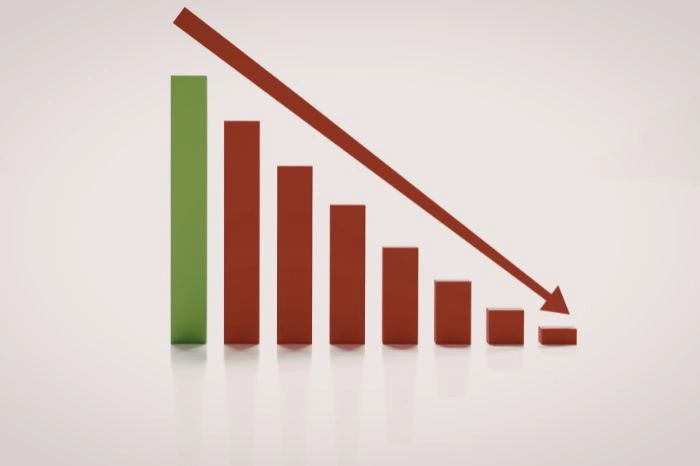
Most Digital Systems Don’t Fail They Slowly Decay

Most digital systems don’t “break.”

They fade.

They become slower… not unusable.
They become riskier… not obviously compromised.
They become unreliable… but only sometimes.

And because the decline is gradual, leaders adapt to it.

Until one day, everyone agrees the same sentence is normal:

“It’s been acting weird lately.”

That sentence is not a minor inconvenience.
It’s the sound of continuity dying quietly.

The Real Problem: Decay Looks Like Normal

When founders think of failure, they imagine:

  • a server outage
  • a hacked system
  • a payment crash
  • a website down

But the more common failure mode is far less dramatic:

Operational Decay

A slow decline across the three forces that determine trust:

  1. Performance (speed and responsiveness)
  2. Security (risk accumulation)
  3. Reliability (consistency under load)


Decay is dangerous because it doesn’t trigger alarm.
It triggers coping.

How Decay Actually Happens (The Silent Mechanics)

1) Performance Drift

The system still works — but it requires more patience.

  • pages load slower

  • backend jobs take longer

  • mobile experience weakens

  • users drop off without telling you

Performance drift is not “just speed.” It is trust tax. Every extra second creates silent doubt.

2) Security Debt

Security doesn’t usually fail because you didn’t care.
It fails because risk accumulates invisibly.

  • plugins update inconsistently
  • dependencies age quietly
  • access permissions grow messy
  • old admin accounts remain active
  • “temporary fixes” never get reversed

Security debt is like leaving windows open because the room is still warm. Nothing happens… until it does.

3) Reliability Erosion

This is the most deceptive one.

Reliability erosion shows up as:

  • “sometimes” failures
  • random email delivery issues
  • intermittent login or checkout problems
  • occasional timeouts
  • integrations failing silently

The system becomes unpredictable. People begin to double-check everything. Operations slow down. Reliability is not uptime alone. It’s dependability under normal conditions.

Why This Gets Worse as You Grow

Growth increases:

  • traffic
  • transactions
  • integrations
  • team access
  • content weight
  • automation complexity


If stability doesn’t grow with it, the system becomes fragile.

Here’s the harsh truth:

Scale doesn’t break systems. Unmanaged complexity does.

The Cost of Decay Isn’t Technical — It’s Organizational

When systems decay, the first impact isn’t tech.

It’s behavior.

  • Teams create workarounds
  • People lose confidence in data
  • Customers trust you less
  • Leaders accept “normal friction”
  • Decisions slow down
  • Support load increases


Eventually, the business starts operating like the system is unreliable — because it is.

That’s how decay becomes culture.

The Stability Mistake Most Teams Make

Most organisations assume stability is “maintenance.”

So they treat it like:

  • optional
  • reactive
  • periodic
  • delegated to “someone technical”

But stability is not a maintenance function.

Most organisations assume stability is “maintenance.”

So they treat it like:

  • optional
  • reactive
  • periodic
  • delegated to “someone technical”

If NexOps gives Direction,
and SynctruX gives Motion,
and Centrilux gives Visibility…

Stability is an executive responsibility.

To make sure what you’ve built remains dependable.

Netrions is built on a simple rule:

If your system is important, it deserves continuity design — not last-minute repair.

This is what Digital Continuity & Reliability Systems actually means:

  • reduce silent performance drift
  • reduce hidden security risk
  • prevent reliability erosion
  • keep the system dependable as complexity grows

Not “care.”
Not “support.”
Not “web maintenance.”

Continuity protection.

The Netrions Principle

But stability is not a maintenance function.

The 5-Minute Self-Check (Quick Diagnostic)

If you answered “yes” to even two, you don’t have a future problem.

You have a present drift.

What To Do Next (Without Panic)

You don’t need urgency.

You need clarity.

Start with a simple goal:

Want a clear view of your system’s stability?

If you want to understand what’s decaying (performance, security, reliability) and what’s safe, start with a continuity check.

Welcome

Log into your dashboard

Log In

E-mail/ Username
Enter your email/username
Password
Enter your password

Client Feedback

LightTranX

Feedback Type *
Linked Kits
Feedback Message *

Booking Intake Form

Please select form to show