How Smart Dashboards Eliminate Micromanagement Naturally

Micromanagement Is a Symptom, Not a Trait

Micromanagement is often framed as a personality flaw.

It isn’t.

It’s a response to uncertainty.

When leaders don’t trust what they can see, they move closer.
They ask more questions.
They check more often.
They intervene sooner.

Not because they want control —
but because signals are unclear.

Why “Just Trust the Team” Doesn’t Work

Telling leaders to “step back” without improving visibility is unrealistic.

Trust without information feels reckless.

In environments where:

Leaders naturally insert themselves.

Micromanagement fills the gap left by missing system insight.

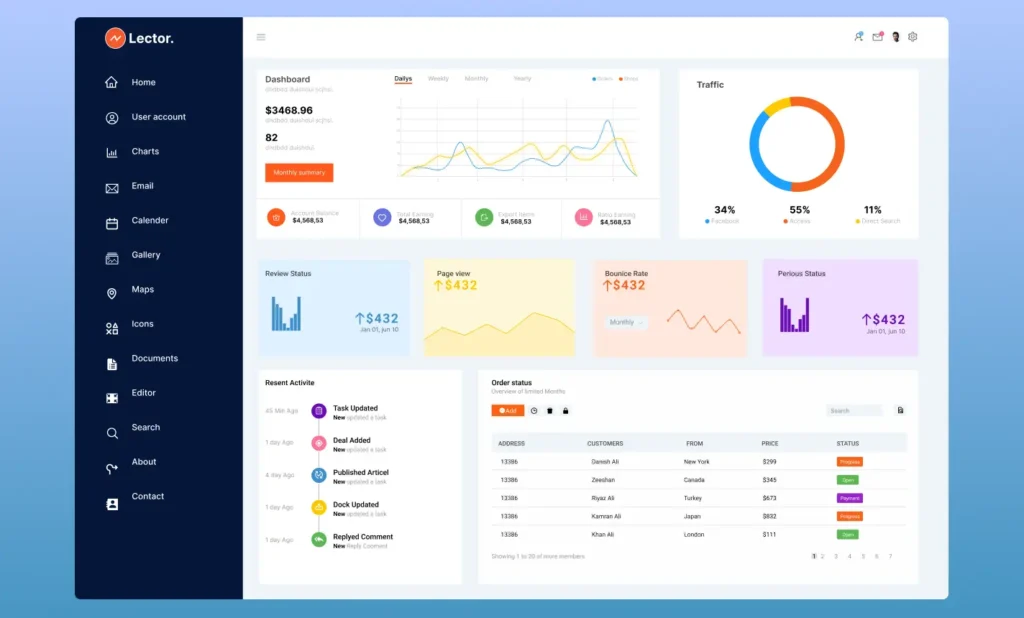
What Smart Dashboards Actually Do

Smart dashboards don’t track everything.

They surface:

  • decision bottlenecks

  • stalled work

  • risk accumulation

  • outcome drift

They answer the leader’s unspoken question:

“Where does my attention actually matter right now?”

When that answer is clear, interference drops.

Visibility Reduces Interference

When dashboards show:

  • what’s blocked

  • why it’s blocked

  • how long it’s been blocked

  • what depends on it

Leaders don’t need to hover.

They can intervene:

  • earlier

  • more precisely

  • less emotionally

Micromanagement fades because it’s no longer needed.

Why More Data Makes Micromanagement Worse

Overloaded dashboards:

  • hide problems in noise

  • increase anxiety

  • invite over-analysis

  • encourage constant checking

Too much data creates false proximity
leaders feel close to the work but understand it less.

Smart dashboards reduce information to actionable signal.

Designing for Trust, Not Surveillance

Dashboards that eliminate micromanagement are designed to:

  • protect focus

  • limit interruptions

  • clarify ownership

  • expose system issues, not individual effort

They shift the conversation from:

“What are you doing?” to “What’s blocking progress?”

That’s a healthier system question.

Pattern Interrupt

Micromanagement disappears when leaders trust what they see.

And trust is designed — not requested.

Self-Diagnostic

Ask yourself honestly:

If dashboards invite hovering, they’re poorly designed.

Are Your Dashboards Reducing Interference?

CentriluX designs dashboards that:

  • surface decision-critical signals

  • reduce noise

  • guide attention calmly

  • replace supervision with insight

So leadership becomes precise —
and teams regain autonomy.

Micromanagement isn’t solved by coaching leaders. It’s solved by showing them the truth they need — at the right level, at the right time.

Welcome

Log into your dashboard

Log In

E-mail/ Username
Enter your email/username
Password
Enter your password

Client Feedback

LightTranX

Feedback Type *
Linked Kits
Feedback Message *

Booking Intake Form

Please select form to show