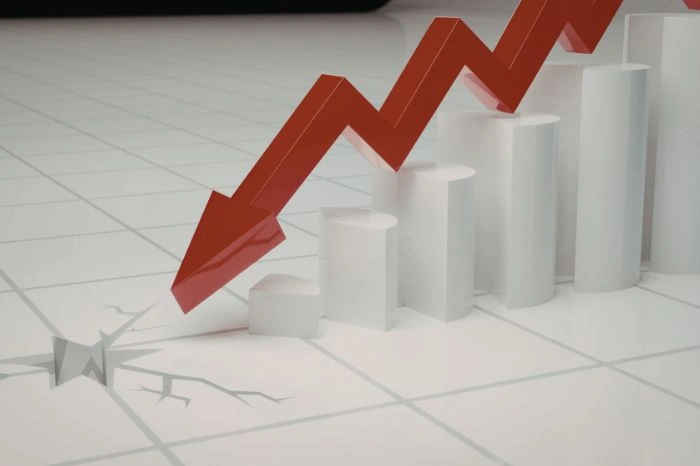
Why High-Growth PlatformsBreak Quietly

Not Dramatically

When platforms collapse dramatically, it makes headlines.

But most high-growth systems don’t explode.

They weaken.

Gradually. Quietly. Internally.

And by the time the problem becomes visible, the damage has already compounded.

Growth Changes System Behavior

A system that works at 1,000 users behaves differently at 10,000.

At 10,000, it behaves differently at 100,000.

Growth introduces:

  • higher concurrency
  • deeper database load
  • increased API calls
  • heavier content weight
  • more integrations
  • more access roles
  • more edge cases

Complexity increases nonlinearly.

Fragility does too.

Quiet Breakage Is More Dangerous

Dramatic failure demands action.

Quiet instability invites adaptation.

High-growth platforms often show early warning signs:

  • slower response times under peak load
  • intermittent checkout failures
  • delayed background jobs
  • inconsistent email triggers
  • occasional login errors
  • increasing support tickets

Individually, these seem minor.

Collectively, they signal structural strain.

Why It Happens

High-growth teams prioritise:

  • feature velocity
  • customer acquisition
  • marketing expansion
  • user onboarding
  • revenue optimisation


Stability becomes secondary.

Because the system is “holding.”

Until it isn’t.

The Hidden Bottleneck Pattern

As platforms grow, bottlenecks emerge in predictable areas:

1) Database Load

Queries designed for small datasets struggle at scale.

2) Infrastructure Limits

Servers handle normal traffic — but struggle with spikes.

3) Integration Fragility

More tools mean more failure points.

4) Centralised Control

Too much depends on one admin, one developer, or one configuration expert.

5) Documentation Gaps

Institutional knowledge lives in memory, not systems.

None of these break the system immediately.

They destabilise it gradually.

The Confidence Decline Curve

There’s a predictable sequence:

  • Minor issues appear
  • Workarounds emerge
  • Support requests increase
  • Internal trust weakens
  • Teams hesitate to deploy updates
  • Growth momentum slows

The platform doesn’t collapse. It stalls.

Quiet Breakage Damages Trust First

Users rarely announce dissatisfaction loudly.

They:

  • abandon sessions
  • retry actions
  • double-submit forms
  • switch competitors
  • stop recommending


Growth hides churn when acquisition is strong.

But instability amplifies churn over time.

Reliability is invisible until it fails.

The Stability Mistake Most Teams Make

High-growth organisations need:

  • performance monitoring
  • load testing
  • version discipline
  • integration auditing
  • permission governance
  • documented recovery protocols

Without structured continuity, scale amplifies risk. Growth without reliability design creates systemic stress.

Instead of asking:

“Can our platform handle growth?”

Ask:

“Is our continuity architecture scaling with it?”

Because scale doesn’t just increase users.

It increases:

  • failure probability
  • complexity density
  • dependency count
  • exposure surface

And complexity grows faster than revenue.

The Strategic Reframe

Digital Continuity & Reliability Systems exist to:

  • detect quiet fragility
  • reinforce performance tolerance
  • reduce bottleneck risk
  • protect infrastructure under load
  • ensure growth doesn’t outrun stability


Not to fix collapse.

To prevent silent weakening.

The Netrions Principle

A Practical Leadership Check

If the answers are unclear, growth may already be stressing the system.

Growth is momentum. Stability is protection.

Before complexity multiplies, measure your platform’s resilience.

Welcome

Log into your dashboard

Log In

E-mail/ Username
Enter your email/username
Password
Enter your password

Client Feedback

LightTranX

Feedback Type *
Linked Kits
Feedback Message *

Booking Intake Form

Please select form to show